press

A Microgrid That You Can Fit in Your Golf Bag

Microgrid Knowledge  |  April 6, 2022  |  By Elisa Wood

Energy flexibility is the new, new thing. And all microgrids offer it to some degree. But a small Brooklyn, NY, solar firm brings a whole new meaning to the term.

Imagine fitting 1.3 kW of solar energy in a golf bag and it’s so light you can carry it around for use where you need it.

That’s one of the value propositions that Pvilion is putting forward for its solar product, which houses crystalline silicon photovoltaic cells in fabric rather than the glass panels used for conventional solar installations. The result is a product that is lighter and more pliable than solar panels but produces the same amount of power per square foot, according to Colin Touhey, Pvilion co-founder and CEO.
The 12-employee firm is providing its solar fabric tents, canopies and sails for a range of applications — tentlike microgrids for the military, power stations for concert venues, disaster relief outposts and charging stations for commercial and public settings. 

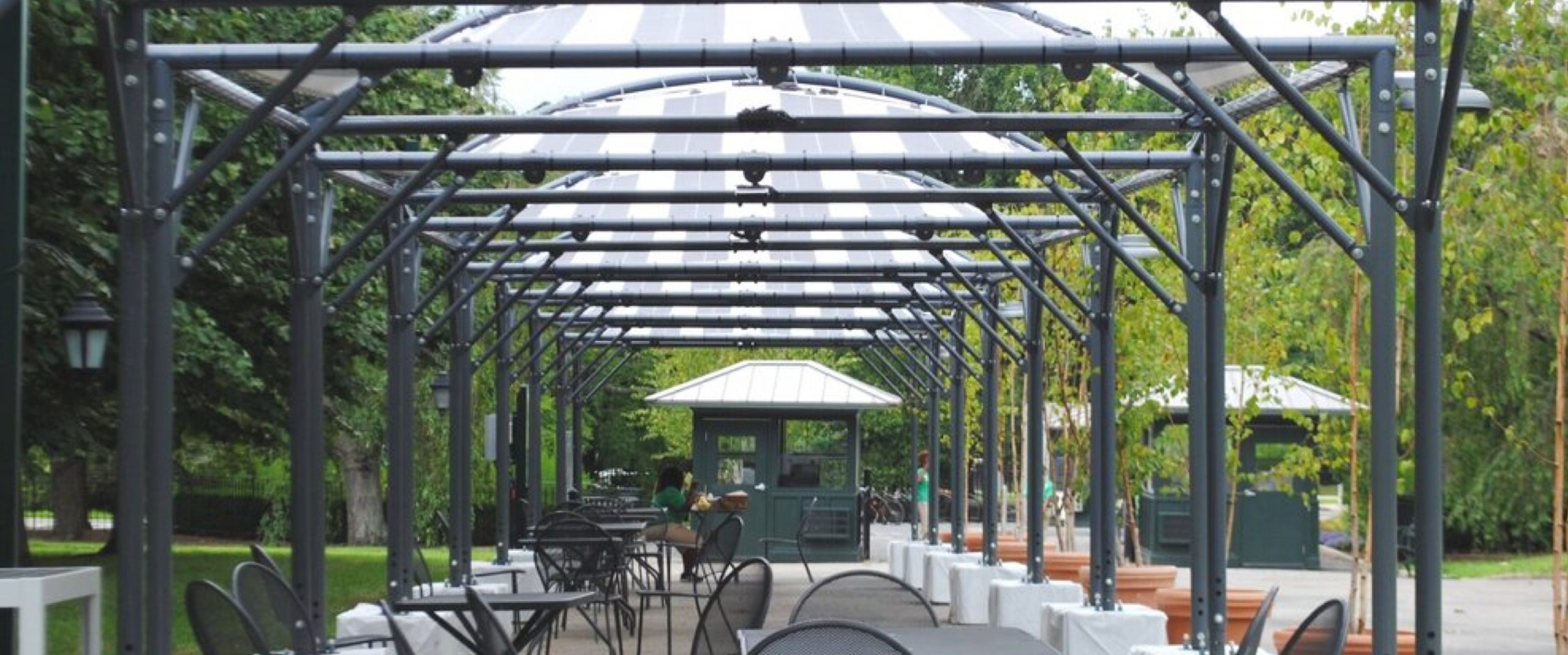
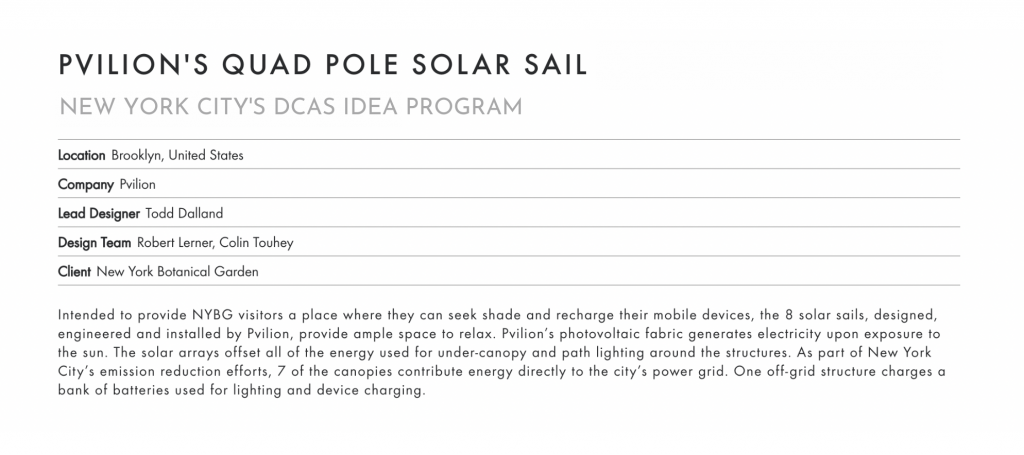
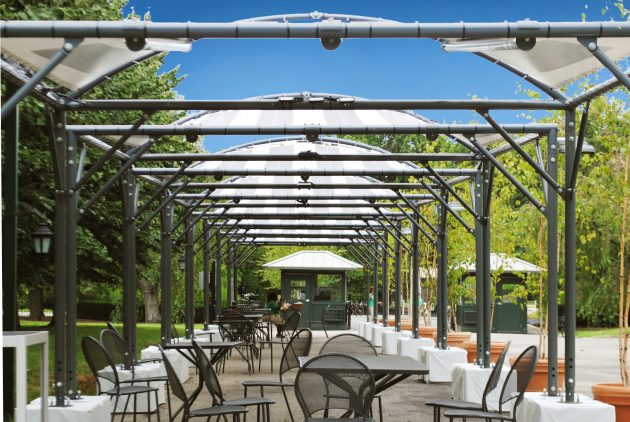
The New York Botanical Gardens features a seating pavilion with eight of Pvilion’s solar fabric canopies where visitors can relax in the shade and charge phones. Seven of the canopies feed into the grid while the eighth powers a battery bank. This type of installation, which costs roughly $10,000, emphasizes the architectural aesthetic that can be achieved with solar fabric.

Military Solar Fabric Microgrids

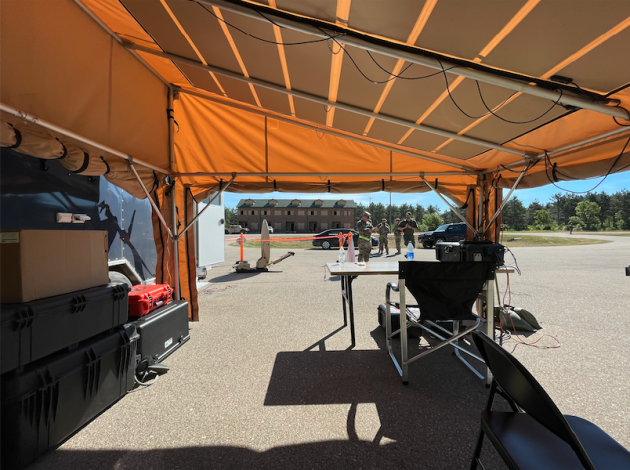
Under a contract with the US Air Force, Pvilion is developing more complex microgrid solutions — shelters that can be moved quickly and easily for a military on the move, yet provide enough power for modern-day work in a climate-controlled setting.

“We’re creating basically tent cities that are super robust and super high tech — not the MASH tents of the past,” said Touhey in an interview with Microgrid Knowledge. 

The tents must offer what’s needed for contemporary work — power, thermal insulation, and sophisticated climate, heating and lighting control. To help the military achieve this in a tent, Pvilion has designed a hybrid solar fabric microgrid that includes generation, batteries, inverters and software and controls.

Because of their mobility, solar fabric microgrids also act as a fuel-saving technology when the military is undertaking humanitarian relief in remote locations, Touhey said. “Whenever the Red Cross is going in, they’re landing a plane and they’re landing a plane on a US government airstrip. That’s being built out and they need power. They need air, traffic control, satellites, radar communications. That requires a crazy amount of fuel in a traditional setting.”

Replacing the generators with solar fabric reduces the fuel needed, which frees up cargo space on planes for medicine, food and water.
Engineering Tents Like Skyscrapers

Pvilion’s roots go back several decades to a company owned by one of the founders, inventor Todd Dalland who now serves as president. Dalland brought computational analysis into the tent and fabric structures industry, a way of “approaching the structural engineering of a tent the way you approach the structural engineering of a skyscraper — with computers and analysis,” Touhey said.

That company produced materials used by NASA in the space shuttle and an early version of solar fabric that was featured in the Smithsonian’s 1996 future of energy exhibit. After several years of research and development on solar fabric, Pvilion was formed a decade ago to commercialize the product.

Pvilion has taken the slow road to growth, using no venture capital and experimenting in markets for its products that didn’t always pan out. Solar clothing is an example. Given that solar fabric the size of an 8×11 inch piece of paper can charge a cell phone, clothing would appear to be a good market, Touhey said. But Pvilion found major clothing designers fearful of risk and unwilling to place large enough orders to scale the products.

Now, however, a series of trends is working in the company’s favor and Pvilion forecasts that the next 12 to 24 months will bring a doubling of its $3 million-$5 million in annual sales.

Trends Favoring Solar Fabric

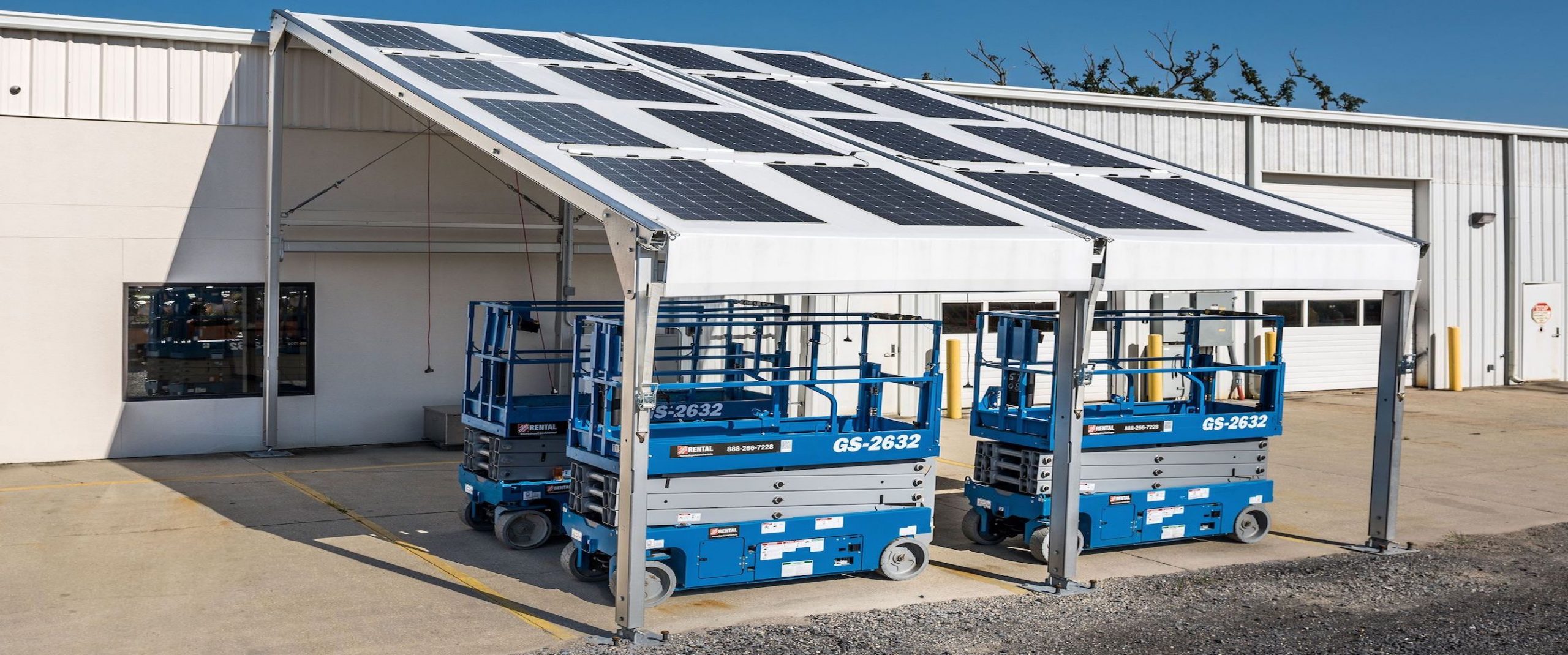
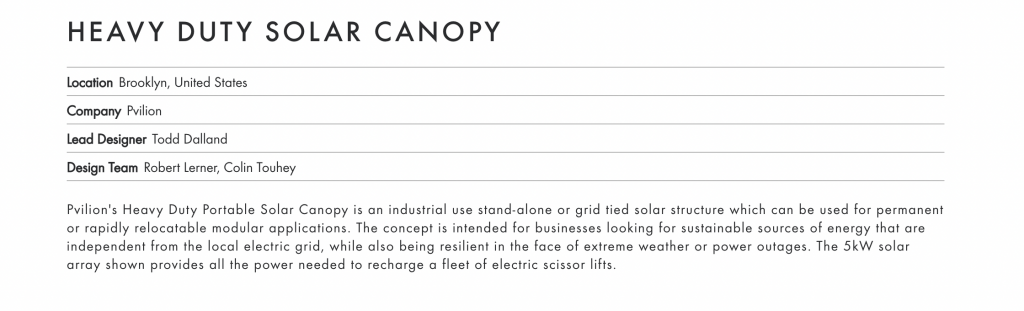
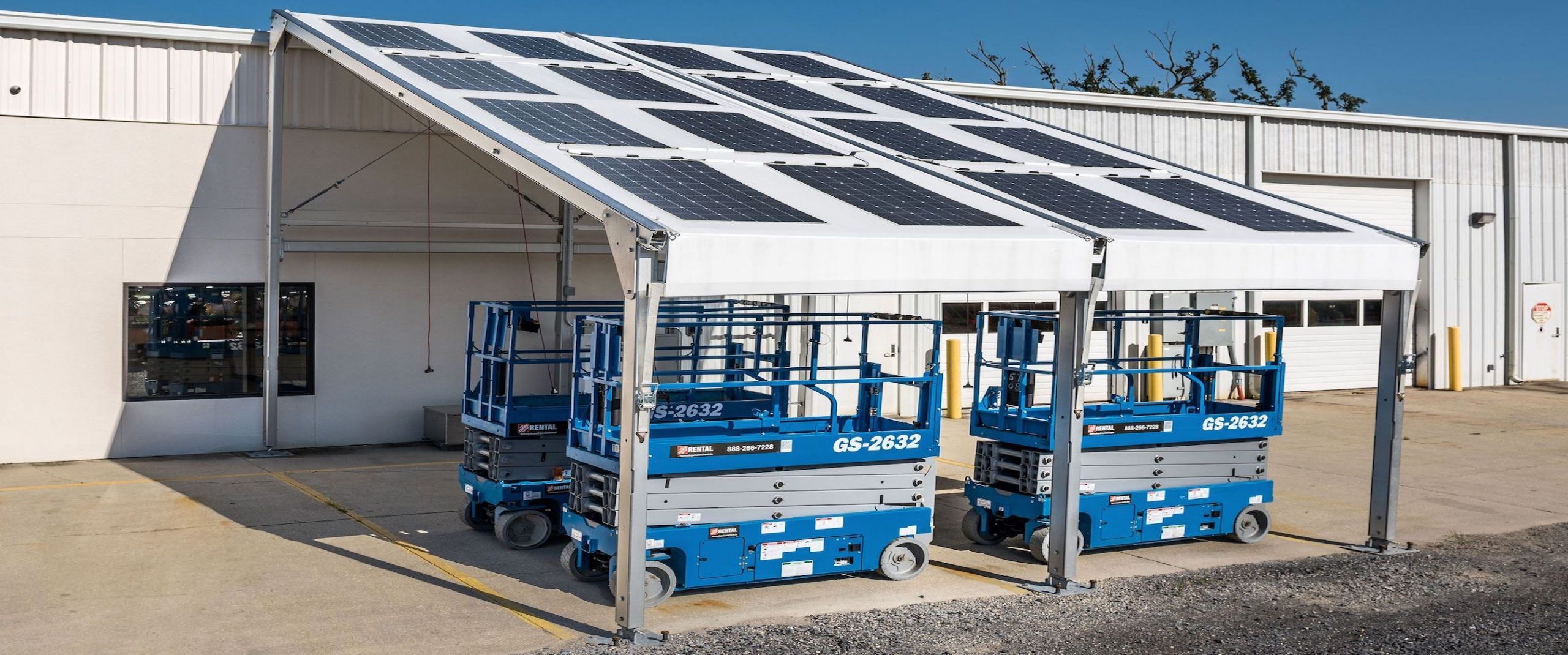
In addition to military and government contracts, Touhey sees potential for electric vehicle charging. Its solar fabric is already being used by a heavy equipment rental operation as part of a hybrid microgrid. Car dealerships could follow with mobile solar fabric providing them with flexible charging, particularly as they move vehicle displays around lots.

Building better spaces for socializing and dining outdoors, a trend begun during the pandemic, also lends itself to solar fabric installations. ​​“People didn’t put an addition on the house. They put a pergola outside. There’s no reversing that,” Touhey said.

Lately, the company is fielding a lot of interest from municipalities in search of resilience and power for community spaces. For example, Pvilion is putting in solar canopies, engineered to withstand hurricane winds, in a New York City community garden. 

“It will be to provide power to the folks who work in the community garden and spend their weekends there. But in the case of an emergency, like Hurricane Sandy, it’s a gathering space for the community to charge cell phones, get Wi-Fi, plug in laptops, get medicine,” Touhey said. 

He describes such installations as a new kind of town square gazebo. “This is a gathering space. Well, why shouldn’t that be solar? Why shouldn’t it have plugs?” 

Nothing Too Crazy

As practical as it sounds, solar fabric is different — a concept unfamiliar to most. The world is embracing solar panels and it’s clearly starting to get microgrids. Is it ready to accept solar fabric?

“We’re not really doing anything too crazy. We’re not inventing new materials. We’re inventing new applications of existing materials,” Touhey said. 

Click here to view the original article.

public safety

Customer Spotlight: Nos Quedamos

By Julia Fowler

Recently we spoke with local organization and Pvilion customer, Nos Quedamos. We wanted to share more about the amazing work that they do for the community and why we at Pvilion support their endeavors.

Nos Quedamos, or “We Stay,” is a Community Development Corporation (CDC) that was formed in 1993 by Yolanda García as an effort to combat planned shrinkage and the displacement of local residents in the South Bronx. With the help of the committee and urban planner/architect Petr Stand, Yolanda oversaw the creation of 18 affordable housing buildings in the South Bronx, known as Melrose Commons.

The most recent building added to Melrose Commons, the nineteenth building created by Nos Quedamos, is cited as being the first project to have 100% of units considered to be affordable, with senior units distributed throughout the building rather than grouped together in a designated area.

Nos Quedamos is also known for being an early adopter and implementer of green practices in its buildings. Founder Yolanda García wanted the flooring of these buildings to be made from bamboo, as it was a more sustainable and allergy friendly option.

Despite being more expensive and a challenge to implement in the Melrose Commons buildings, she advocated for funding and made it possible. This practice was continued in the newest building as well, to uphold that standard.

Lately, under the current CEO Jessica Clemente, Nos Quedamos has been working on the Melrose Resiliency Plan, or Melrose 2.0. These efforts involve enhancing the beautiful, green community gardens that were formerly abandoned lots, and creating spaces that can be both enjoyed by members of the community and utilized during times of emergency.

These efforts began before the pandemic struck and came in handy during recent times of crisis. While the beautiful gardens provide residents with a place to connect with fellow members of their community, these spaces also provide shelter, wifi, clean water, and solar power in times of emergency.

“The community has gone through a lot of obstacles and challenges. It’s a community that by its very nature has been a resilient community. It has always bounced back; from the South Bronx burning in the 70s, to natural disasters over the years, to COVID-19 through the last two years. The community always comes out the other side smiling and hopeful. And that’s where Nos Quedamos gets its inspiration.”

– Edwin Pagán, Director of Communications

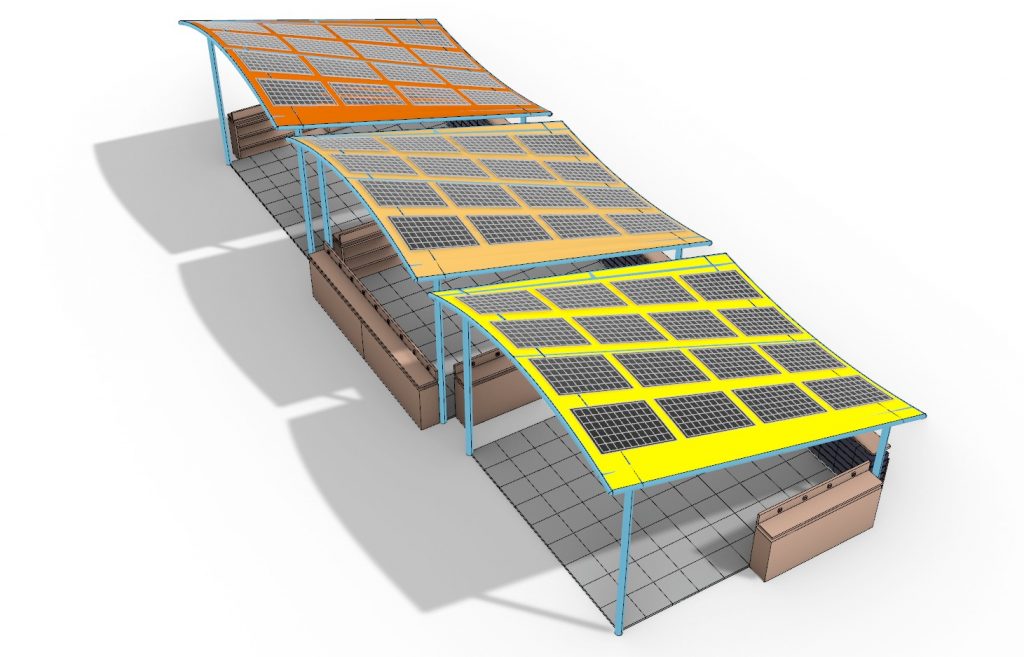
Pvilion’s solar canopies will be installed in 3 different locations and will help Nos Quedamos enhance their services. In addition to offering a backup supply of power in times of emergency, these solar canopies can also be used to power lights and heaters that will allow residents to come enjoy the parks at night after they get off work, provide outlets for chargers and equipment for community events, host class for nearby schools, so they may utilize the gardens for educational purposes, and support last minute events like emergency food distribution.

Rendering of Pvilion’s canopies to be featured in 3 of Nos Quedamos’s parks.
press

How Robotics and Automation Can Strengthen NYC Manufacturers for the Future

Recently Pvilion CEO Colin Touhey had the privilege of participating alongside an adept group of panelists in a learning session hosted by New York City Economic Development Corp.’s Futureworks Ops21 and the Manufacturing and Industrial Innovation Council of NYCSBS.

In it, they discuss robotics and automation, and their value for the future of NYC manufacturing.

Watch the full webinar now:

press

‘Project Arcwater’ reigns as 2022 Spark Tank winner

Official United States Air Force Website  |  March 4, 2022

By Tech. Sgt. Armando A. Schwier-Morales, Secretary of the Air Force Public Affairs

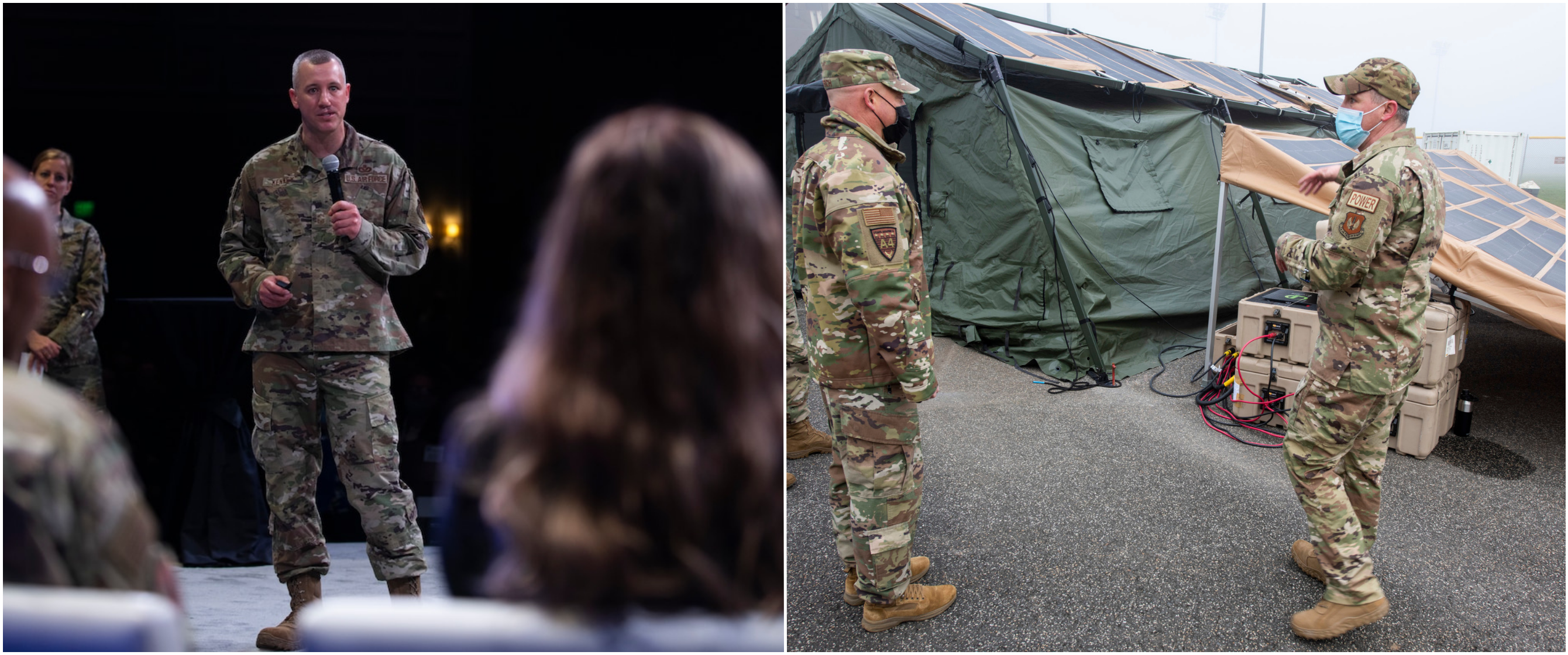
ORLANDO, Fla. (AFNS) — Senior Master Sgt. Brent Kenney, 52nd Fighter Wing, Spangdahlem Air Base, Germany, received the 2022 Spark Tank trophy at the Air Force Association’s Warfare Symposium, March 4.

Kenney’s idea, “Project Arcwater,” is a simple, green, expedited way to save energy and provide drinking water by using solar fabric and environmental water harvesting in an agile combat employment. This will cut the operational energy and logistics associated with operations all around the Department of the Air Force.

It was a close competition as the six semi-finalist teams pitched their ideas to Air and Space Force senior leaders and industry experts during the symposium. As judges deliberated between the pitches, audience members online and in person cast their votes and selected Arcwater as a fan favorite. Shortly after, Arcwater was awarded as the 2022 Spark Tank winner.

“It was an amazing experience,” Kenney explained. “Being part of this process was amazing, getting to know all these other innovators and seeing how they are just as passionate as you are.”

The Spark Tank initiative allows Airmen from around the force to put forward some of their best innovative ideas and compete to make it reality.

Kenney created Arcwater to provide a system that aims to significantly decrease the logistics of transporting water and energy needs at off-the-grid locations through solar panels, a water harvester, and AC/heating tool, creating gallons of potable water out of thin air.

According to Kenney, now that Arcwater is the 2022 Spark Tank winner and has support from DAF, it can shift to reaching its full potential.

“Without the support of those that I work with in my office, I would not be here,” Kenney said.

To read the original article, click here.

Project ArcWater uses Pvilion’s solar powered fabric to harvest water, heat and cool, and provide shelter.

press

Enjoying Super Shade

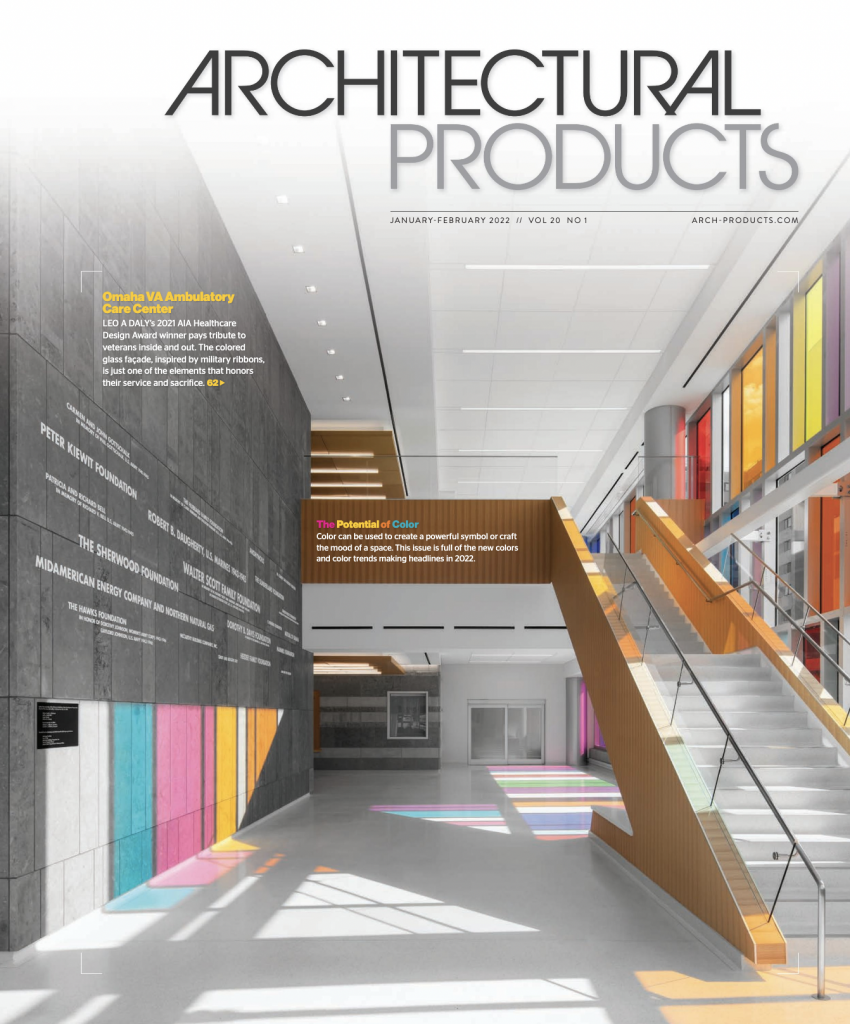
January – February 2022 // VOL 20 NO 1

CHALLENGE

Visitors to the New York Botanical Garden needed a place where they could seek shade, enjoy a beverage, and charge their mobile devices. To solve the garden’s need for accessible, sheltered outdoor seating, the NYC Department of Citywide Administrative Services (DCAS) and the Botanical Garden turned to Pvilion and their solar-powered shade canopies.

SOLUTION

Pvilion was recently recognized for sustainable efforts by The Architecture MasterPrize for outstanding outdoor, sustainable, and overall product design. One of the company’s products – the Quad Pole Solar Sail – was installed in the Botanical Garden. This solution combines a fabric integrated with photovoltaic cells and a powder-coated steel frame. When erected in an area that receives sunlight, the solar sail can offer energy independent from the local electrical power grid. The structures also come with the option to tie into the local grid, either as a consumer or producer of electricity.

According to the manufacturer, “Eight solar canopies were designed, engineered and installed by Pvilion at the New York Botanical Garden, providing ample space to relax while staying socially distanced. As part of New York City’s emission reduction efforts, seven of the canopies contribute energy directly to the city’s power grid. One structure powers a bank of batteries used by the Garden and its visitors to charge their mobile phones and other devices.”

With the recent need to shift activity outside, Pvilion’s technology has become a necessary, quick, and reliable energy-efficient solution for shelter and energy. The structures in the Botanical Garden were erected by a handful of workers and operational within a matter of hours.

“The climate crisis is real and it is urgent, and that is why the City of New York is taking action to reduce carbon emissions and build a more sustainable future,” said Lisette Camilo, Commissioner of the NYC Department of Citywide Administrative Services. It is only fitting that the New York Botanical Garden, a place known for its greenery, will be leading the way with green energy technologies.

NEEDS MET

Pvilion’s solar power canopy structures meet both short and long-term needs while avoiding the costs, environmental damage, and time associated with erecting and running permanent structures.

To view the full digital edition, click here.

press

Pvilion Awarded Contract By US Air Force To Provide 40 Solar Powered Integrated Structures By 2022

Press Release | By Julia Fowler   |  January 5, 2022

BROOKLYN, N.Y. – Digital Journal — PVILION, a leading solar powered fabric product provider, announced that the company has been contracted by the United States Air Force’s Rapid Sustainment Office (RSO) to manufacture up to 40 Solar Powered Integrated Structures for development and testing in 2022. These structures will be provided to seven different USAF end users. These users will range from the Pacific Air Forces (PACAF) to the United States Air Forces in Europe (USAFE). This will include both active duty and Air National Guard (ANG) units.

About the Products

“These structures will be used all in both expeditionary and austere environments for deployment during Agile Combat Employment (ACE) exercises and real-world scenarios,” said Carl Buhler, Brigadier General (ret), USAF. They are fully self-sufficient, and each structure will include Environmental Control Units (heating and air conditioning), energy storage, lighting, power, and backup generators for cases of inclement weather.

These products transcend the traditional model and will operate as a hybrid power solution, using solar as a primary source and generators as a backup source. This newer, more efficient line, allows the USAF to procure a full turn-key kit from Pvilion and integrate Pvilion’s products into existing structures and infrastructure, on both the power and tent side.

About Pvilion

Pvilion is a solar-based fabrics and tent company, who offers products that range from stand-alone solar canopies to solar military tents, grid-tied long span structures, solar powered charging stations, solar powered curtains, building facades, backpacks and clothing. They are known for integrating solar cells with fabrics and building fabric products that can generate electricity.

About the Program

This program is a continuation of a successful 2019 Small Business Innovation Research (SBIR) program through the RSO and AFWERX. The RSO’s mission is to identify, apply, and scale small business innovations. “The RSO is excited to test Pvilion’s technology with seven separate end-users, and prove out the benefit before potentially scaling to the larger US Air Force,” said Heath Wiseman, Chief of RSO Product Management.

About the Air Force Rapid Sustainment Office

Established by the Secretary of the Air Force in 2018, the RSO increases mission readiness by rapidly identifying, applying, and scaling technology essential to the operation and sustainment of the United States Air Force. www.afrso.com 

For more information or to fill out our contact form, click here.

To see the original article, click here.

press

The Architecture MasterPrize Award 2021 – “Best of Best” Winner in Outdoor Products

The Architectural Products Design Awards recognizes and awards the greatest architectural product designers and manufacturers. It seeks to celebrate the ingenuity of products and materials that make great architecture possible, and shine a light on those who create well-made, functional, long lasting, sustainable, beautiful and innovative products.

To learn more about our Heavy Duty Solar Canopy, click here.

Click here to view the award on the MasterPrize website.

press

The Architecture MasterPrize Award 2021 – Product Design of the Year

The Architectural Products Design Awards recognizes and awards the greatest architectural product designers and manufacturers. It seeks to celebrate the ingenuity of products and materials that make great architecture possible, and shine a light on those who create well-made, functional, long lasting, sustainable, beautiful and innovative products.

To learn more about our Heavy Duty Solar Canopy, click here.

Click here to view the award on the MasterPrize website.

press

The Architecture MasterPrize Award 2021 – Winner in Sustainable Products

The Architectural Products Design Awards recognizes and awards the greatest architectural product designers and manufacturers. It seeks to celebrate the ingenuity of products and materials that make great architecture possible, and shine a light on those who create well-made, functional, long lasting, sustainable, beautiful and innovative products.

To learn more about our Quad Pole Solar Sails, click here.

This project was funded by the New York City Department of Citywide Administrative Services (DCAS) as part of its IDEA program. DCAS launched the Innovative Demonstrations for Energy Adaptability (IDEA) Program in 2014 to help meet the City’s emissions reductions goals by engaging vendors to test new or underutilized energy technologies in City buildings. The IDEA Program helps vendors build the use case for their solutions, while addressing City building system or operational challenges and informing the DCAS cleantech strategy and investments.

Click here to view the award on the MasterPrize website.